
Have you ever wondered if you can be denied a dropped kerb? Well, prepare to be shocked. The answer is yes! Contrary to what you might think, obtaining a dropped kerb is not guaranteed. In fact, there are strict legal requirements and various reasons that could lead to your application being rejected.
Don’t worry though, because in this article we will delve into the nitty-gritty of the process and even discuss how you can challenge a refusal. Get ready to navigate the maze of dropped kerbs with confidence!
Legal Requirements for Dropped Kerbs
You need to make sure that you meet all the legal requirements when installing a dropped kerb. Construction standards and cost considerations are important factors to consider in this process.
When it comes to construction standards, there are specific guidelines that must be followed. The kerb should be constructed using materials that are durable and suitable for the purpose.
It should also have proper dimensions, including height and width, to ensure accessibility for vehicles. Additionally, the surface should be smooth and free from any obstructions or hazards.
Cost considerations are also crucial since installing a dropped kerb can involve expenses such as excavation, materials, and labour costs.
It is important to budget accordingly and obtain proper permits before proceeding with the installation to avoid any legal issues in the future.
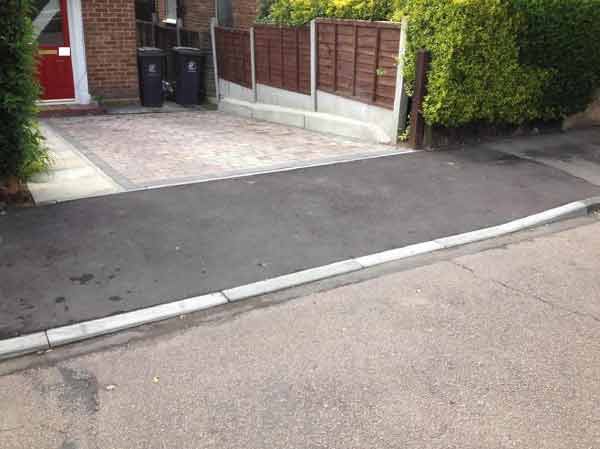
Reasons for Refusal of Dropped Kerb Applications
There are several reasons why an application for a dropped kerb may be denied. It is important to understand these reasons to avoid common mistakes and find potential solutions. Here are four possible reasons for refusal:
- Insufficient space: If there isn’t enough room between your property and the road, it may not be feasible to install a dropped kerb.
- Proximity to junctions: Dropped kerbs near junctions can obstruct visibility, creating safety hazards for drivers and pedestrians.
- Impact on drainage: Altering the kerb can disrupt existing drainage systems, leading to flooding or water damage issues.
- Damage to utilities: Underground utilities like gas lines or water pipes could be present in the proposed location, making it unsafe or costly to proceed.
To overcome these challenges, consider exploring alternative locations, adjusting dimensions of the dropped kerb, consulting with professionals for design modifications, or seeking permission from relevant authorities if you believe your case warrants an exception.
The Process of Applying for a Dropped Kerb
To start the process of applying for a dropped kerb, it’s important to first contact your local council. They will provide you with the necessary information and guidelines for the application.
The costs involved in obtaining a dropped kerb permit may vary depending on your location and specific requirements. Typically, you will need to pay an application fee, which covers the administrative costs associated with processing your request. Additionally, there may be additional charges for site inspections or any modifications required to meet safety standards.
The time frame for obtaining a dropped kerb permit can also vary. It usually takes several weeks for the council to review and approve your application. Factors such as workload and seasonal demands may affect this timeline further.
It is essential to plan ahead and allow sufficient time when applying for a dropped kerb permit.
Challenging a Refusal of a Dropped Kerb Application
If your application for a dropped kerb is denied, it’s important to gather evidence and prepare a strong case for challenging the refusal. Here are four steps to help you navigate the process of appealing decisions made by your local council:
- Review the denial letter: Carefully read through the reasons provided for the refusal. Take note of any specific regulations or requirements that were not met.
- Gather evidence: Collect all relevant documents supporting your case, such as photographs, surveys, or expert opinions. This will strengthen your argument and demonstrate that your proposed dropped kerb meets all necessary criteria.
- Understand local council process: Familiarise yourself with the appeal procedure outlined by your local council. Pay attention to deadlines, required forms, and any additional information they may require.
- Submit a clear and persuasive appeal: Craft a well-written letter clearly stating why you believe the decision should be overturned. Address each point raised in the denial letter and provide compelling evidence to support your arguments.
Conclusion
In conclusion, when it comes to dropped kerb applications, there are legal requirements that must be met. However, sometimes these applications can be refused for various reasons.
If you find yourself facing a refusal, it is important to understand the process of challenging this decision. By providing strong evidence and addressing any concerns raised by the authorities, you may have a chance to overturn the refusal.
Remember, perseverance and attention to detail are key in navigating this complex process successfully. Your chances of success improve greatly by using a council recommended contractor for your project.
Call us to get a price quote on a drop-kerb. Contact us today on 07595 510190 to receive a free quote or visit our website.

Have you ever wondered if your dropped kerb is legal? If so, you're not alone. Many people feel unsure about Read more

Have you ever found yourself in a frustrating situation, where you're rushing to leave your house but can't park across Read more

Are you tired of navigating through potholes and uneven surfaces every time you enter or exit your driveway? Like a Read more